
Many pet parents hope spaying will calm a hyper dog, reduce roaming, and put an end to certain behaviors tied to hormones and heat cycles. The truth is that spaying dogs can change some behaviors linked to the dog heat cycle and hormone swings, but it is not a quick fix for training issues, anxiety, or boredom. Dog behavior after spay tends to improve most when the surgical procedure is combined with consistent training, regular exercise, and ongoing veterinary guidance. Understanding what spaying a dog actually does, and what it does not do, helps pet owners set realistic expectations before and after surgery.
How Spaying Changes Hormones and Can Affect Behavior
Spaying is a surgical procedure that removes the ovaries and uterus of a female dog, which stops the dog heat cycle and eliminates the hormone fluctuations that come with it. Once a dog is spayed, the hormonal swings that drive certain behaviors during heat are no longer a factor. Some dogs become noticeably less restless, vocal, or flighty once they are no longer cycling in and out of heat.
That said, spay and behavior changes are often subtle and gradual rather than instant or dramatic. Whether spaying a female dog calms her down depends on several factors including her age, breed, temperament, and home environment. A small breed dog may respond differently than a large breed dog, and a dog who was anxious or reactive before surgery will likely still need training and support after the procedure.
Along with the possible behavior benefits, the health benefits of spaying are significant. Dog spay benefits include a dramatically reduced risk of mammary cancer, elimination of the risk of pyometra, and prevention of unwanted pregnancies.
Signs Your Dog’s Behavior May Be Hormone-Related
Not all unwanted behavior is hormone-related, but some patterns are strong clues that spaying dogs may help. Here are signs worth discussing with your veterinarian:
- Restlessness, whining, or pacing that gets noticeably worse around each heat cycle
- Attention from male dogs, attempts to escape the yard, or roaming behavior
- Mood changes, irritability, or increased mounting when in heat
- Bloody discharge or frequent licking of the vulva during cycles
- Behavior that seems to cycle predictably in a female dog every few weeks or months
These signs will not necessarily disappear overnight after a dog is spayed. Hormone levels shift gradually after the surgical procedure, and dog behavior after spay often improves over weeks or months rather than days. Pet owners who track these patterns before surgery and discuss them with their veterinarian are better prepared for what spaying dogs can and cannot change.
How to Tell if Spaying Might Help Your Dog’s Behavior
Before scheduling spay surgery, it helps to gather information about your dog’s specific behavior patterns. Two steps can make the conversation with your vet much more productive.
Behavior and Cycle Tracking Keep a simple journal noting barking, restlessness, roaming, and anxiety in dogs, and record whether those episodes seem to line up with heat cycles or hormonal changes in your female dog. Even a few weeks of notes can reveal patterns that are easy to miss in the moment. This kind of record helps your vet determine how much of the behavior is driven by hormones versus training, environment, or other causes.
Veterinary and Training Consult Bring those notes to your vet, and, if needed, a qualified trainer. Together you can assess whether the behavior is mainly hormone-driven or whether it is rooted in under-exercise, fear, or ingrained habits. This step helps clarify whether spay surgery, training, or a combination of both is the most likely path to calm a hyper dog and which behaviors after spay should realistically improve.For large breed dogs especially, your veterinarian may also discuss the timing of spay surgery in relation to growth plates and long-term joint health. Blood work may be recommended before surgery to ensure your dog is healthy enough to undergo the procedure safely. Our team offers blood chemistry analysis to screen for any underlying conditions before your dog goes under anesthesia.
What to Expect in the 14 Days After Spay Surgery
The first 14 days after spay surgery are the most important part of the recovery process. During this window, dogs experience the most significant physical healing and are at the highest risk for complications if activity is not properly restricted. Here is what pet parents should expect and plan for during those two weeks:
- Your dog will likely be groggy, quiet, and low-energy for the first 24 to 48 hours after surgery
- Some swelling, redness, or minor discharge at the incision site is normal in the first few days
- Appetite may be reduced initially but should return within one to two days
- Pain medication prescribed by your vet should be given on schedule to keep your dog comfortable
- Activity must be restricted for the full 14 days, even if your dog seems to feel fine and wants to play
Side effects that are worth watching for include excessive swelling, discharge that smells unusual, reopening of the incision, vomiting, lethargy that does not improve after the first 48 hours, or loss of appetite beyond the first day or two. If any of these occur, contact your veterinarian right away rather than waiting to see if things resolve on their own.
Preparing Your Dog and Home for a Calmer Spay Recovery
A smooth recovery starts before surgery even happens. Setting up the right environment at home makes a real difference in how your dog heals and how she behaves in the weeks that follow. A calm recovery space lays the groundwork for long-term dog behavior improvements after the surgical procedure.
- Keep your dog in a quiet, comfortable spot such as a crate or small room for rest after surgery
- Avoid roughhousing, off-leash running, and jumping on furniture during the early recovery period
- Use an e-collar or recovery suit instead of allowing your dog to lick or chew the incision site
- Add soft bedding, puzzle toys, and short supervised leash walks once your vet gives the go-ahead
- Label medications and write out spay surgery aftercare instructions so that everyone in the household follows the same plan
Rushing recovery or allowing too much activity too soon can create setbacks and new bad habits that take additional time to address. Pet owners who take recovery seriously tend to see better outcomes not only physically but in their dog’s long-term behavior as well. If you have questions about what to expect, our team is always available during your checkups and preventive care visits to walk you through the recovery process in detail.
Using Training, Exercise, and Spaying Together to Calm Your Dog
Spaying dogs works best as part of a broader behavior plan rather than as a standalone solution. Pet parents who expect instant calm after surgery are sometimes disappointed because dog behavior is shaped by many more factors than hormones alone. Here is how to build a well-rounded approach:
- Provide daily walks and structured playtime to meet the needs of a high energy dog
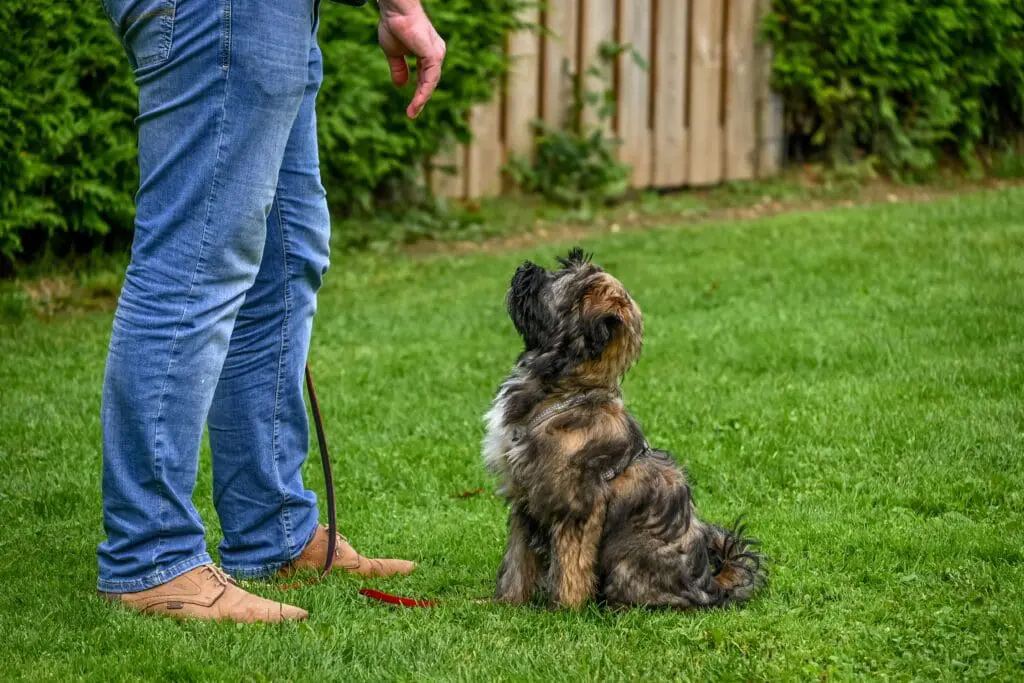
- Pair the benefits of spaying with basic training cues like sit, stay, and settle
- Offer enrichment toys, chew items, and mental games to reduce boredom-driven behavior
- Maintain consistent routines and clear boundaries so your dog knows what to expect each day
- Reward calm behavior consistently so dogs experience that relaxed behavior earns good things
It is worth noting that the question of whether neutering a dog to calm them down follows the same logic as spaying. Hormones play a role, but training and routine still do most of the heavy lifting when it comes to long-term changes in dog behavior. Spay surgery opens a window, and what pet owners do with training and exercise is what determines the outcome.
Tips to Help Your Dog Stay Calmer After Spay Surgery
Once your dog is home and healing, here are practical ways to support better dog behavior during spay recovery:
- Follow your vet’s timeline for gradually increasing activity after spay surgery rather than rushing back to normal routines
- Keep a predictable daily schedule for feeding, potty breaks, and rest to reduce stress and restlessness
- Use calm praise and small treats to reward relaxed behaviors like lying quietly on a bed or mat
- Redirect chewing or fussing toward safe toys instead of the incision site
- Monitor your dog’s weight during recovery, as reduced activity combined with a regular food intake can contribute to weight gain in some dogs after being spayed. Our team can recommend prescription pet food or nutrition guidance to help manage your dog’s weight during and after recovery
Staying consistent with aftercare and training during recovery helps ensure the full dog spay benefits, including improved comfort and calmer habits, carry forward into the months and years ahead.
When to Call the Vet or Trainer About Post-Spay Behavior
Most dogs settle into a new normal within a few weeks of surgery, but there are situations where reaching out sooner makes sense. Dogs experience the healing process differently, and what is normal for one dog may not be normal for another. Contact Hershey Veterinary Hospital or a qualified trainer if:
- Your dog seems unusually aggressive, fearful, or withdrawn after surgery
- Hyperactivity or anxiety in dogs is getting worse rather than better over time
- You are unsure whether a behavior is a normal part of recovery or a sign of pain or complications from the surgical procedure
- You notice signs of higher risk complications such as significant swelling, fever, or changes in eating and drinking habits
Getting help early saves time, reduces frustration for both pet owners and their dogs, and leads to safer and more effective behavior change. There is no benefit to waiting when something does not feel right.
Trust Hershey Veterinary Hospital for Spay and Behavior Guidance
At Hershey Veterinary Hospital, we help pet parents decide when to spay a dog, what to expect from the surgical procedure, and how to support their female dog through surgery and recovery. Whether you are scheduling a pre-surgical consult that includes blood work to clear your dog for surgery, booking spay surgery in Hershey, PA, or following up after the procedure to discuss dog behavior, our compassionate small animal vet team is here to guide you every step of the way.
Partnering with a dog vet in Hershey, PA means your dog gets safe spay surgery, honest behavior advice, and long-term support as she grows and matures. We work with pet owners across the Hershey and Dauphin County area to make sure spaying dogs is a positive experience from the first consultation through full recovery.
Still Wondering if Spaying Will Calm Your Dog?
Still asking yourself, does spaying a dog calm them down? Call Hershey Veterinary Hospital at 717-534-2244 or request an appointment online to talk through your dog’s behavior, the best timing for spay surgery, and a tailored plan for long-term calm. Our team is here to help pet parents make confident, informed decisions for their dogs.
About The Author