

Getting your cat “fixed” means spay or neuter surgery, and the right time to spay or neuter depends on age, weight, and overall health. Many kittens can be safely fixed earlier than most people realize, but a vet should always guide the decision. Here’s what to know about ideal ages, safety checks, recovery, and how Hershey Veterinary Hospital helps cat owners plan spay and neuter procedures.
The advice provided in this post is intended for informational purposes only. Always consult your veterinarian for guidance specific to your pet’s health conditions and needs.
What “Fixed” Means for Cats and Why Age Matters
Cat spay surgery removes the reproductive organs in females. Cat neuter surgery does the same for males. Both spay and neuter procedures prevent pregnancy and support better long term health outcomes for your cat.
Spaying or neutering kittens early is often safe when performed by a veterinarian, but tiny or underweight kittens may need more time to grow first. The health benefits of spaying a cat include a reduced risk of uterine infection and mammary tumors. The benefits of neutering a cat include less territorial spraying and a lower likelihood of roaming. Note the best age to spay or neuter your cat varies by individual, which is why a conversation with your vet matters more than a one-size-fits-all answer.

Typical Age and Size Ranges for Spaying and Neutering Cats
Many vets look at both age and a minimum weight before scheduling surgery. When can you neuter a cat or get a kitten spayed or neutered? For most healthy kittens, spay and neuter procedures are commonly performed around five to six months of age, though some vets and shelters perform early surgeries as young as eight weeks when weight and health allow.
Indoor cat spay and neuter timelines may look slightly different from those for outdoor or shelter cats. If you’re wondering about spaying or neutering kittens versus adult cats who missed early surgery, the answer is that older cats can still be fixed. However, waiting past puberty increases the chance of a heat cycle, spraying, and unplanned litters. Talk with your vet before your kitten reaches that stage to reduce the risk of those complications.
How Vets Decide If Your Cat Is Ready to Be Fixed
How old do cats have to be to get fixed? The answer depends on more than a birthdate. Here’s how vets evaluate readiness:
Physical Exam and Weight Check: Your vet will examine your cat’s heart, lungs, teeth, and body condition to confirm they meet a safe minimum weight and are healthy enough for anesthesia. An accurate diagnosis of your cat’s overall health conditions is an important first step before any surgical procedure.
Pre Spay Bloodwork for Cats: Pre spay bloodwork helps assess organ function, detect hidden illness, and allow the vet to tailor anesthesia appropriately. This is especially important for older kittens and adult cats.
Together, these steps help determine the safest time to spay or neuter your specific pet.
Preparing Your Kitten or Cat for Spay/Neuter Surgery
A little preparation goes a long way toward a smooth surgery day. Keep your cat indoors in a calm environment beforehand and avoid introducing new medications, food changes, or vaccines right before surgery unless your vet directs otherwise.
Use a secure carrier on surgery day rather than letting your cat roam loose in the car. Adding a small towel or blanket that smells like home can help reduce stress. Label the carrier with your cat’s name, your contact information, and any existing medications or allergies. Follow your vet’s specific fasting and check-in instructions carefully, as these steps help set up a safer procedure.
What to Expect During and After Cat Spay/Neuter Surgery
During spay and neuter procedures, your cat will receive anesthesia so they sleep through the surgery without pain. Most healthy kittens and young adults go home the same day.
Spay and neuter recovery time for cats is generally similar for both procedures, though incisions differ. Most cats are a little sleepy and sore for the first day or two. Your vet will send you home with written instructions covering feeding, activity limits, and pain management.
Tips to Help Recovery Go Smoothly After Your Cat Is Fixed
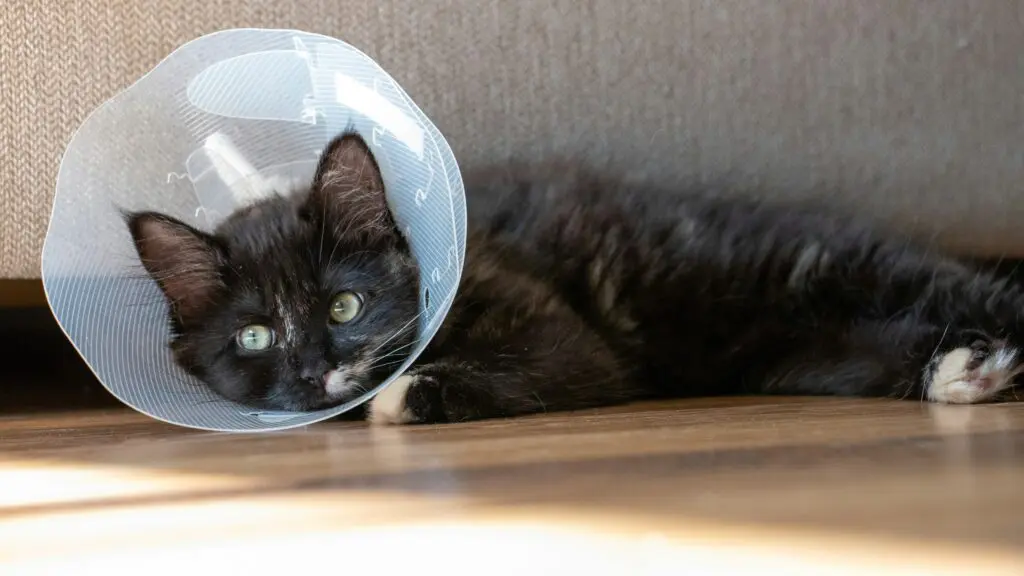
Use a cone or recovery suit if your cat tries to lick or chew the incision. Limit running, jumping, and rough play until your vet clears more activity. Keep the litter box clean and easy to access without a big jump. Check the incision daily for redness, swelling, or discharge and contact your vet if anything looks off.
Careful aftercare helps your kitten spayed or neutered heal comfortably and sets them up to enjoy the long term health benefits of the procedure for years to come.
When to Delay Surgery or Call the Vet About Concerns
There are times when it makes sense to pause before moving forward. Talk to your vet about delaying spay and neuter procedures if:
- -Your kitten is underweight, sick, or still recovering from another illness
- -You notice coughing, sneezing, diarrhea, or vomiting before the surgery date
- -After surgery, your cat seems very painful, unusually lethargic, or refuses to eat
Note the advice provided here is general guidance. Your veterinarian can adjust timing based on your cat’s individual health conditions and make sure your pet is as safe as possible before proceeding.
Trust Hershey Veterinary Hospital for Cat Spay and Neuter Guidance
At Hershey Veterinary Hospital, our team helps families work through the best age to spay a cat or neuter a cat based on each pet’s unique health history. We support safe anesthesia, gentle handling, and personalized guidance before and after spay and neuter procedures. Whether you have a new kitten or an adult cat that was never fixed, our team is here to help you make a confident, informed decision that supports your cat’s long term health.
Ready to Schedule Your Cat to Be Fixed?
Still wondering how old cats have to be to get fixed? Give us a call, or request an appointment online to discuss timing and put together a safe spay or neuter plan for your kitten or adult cat.
About The Author