
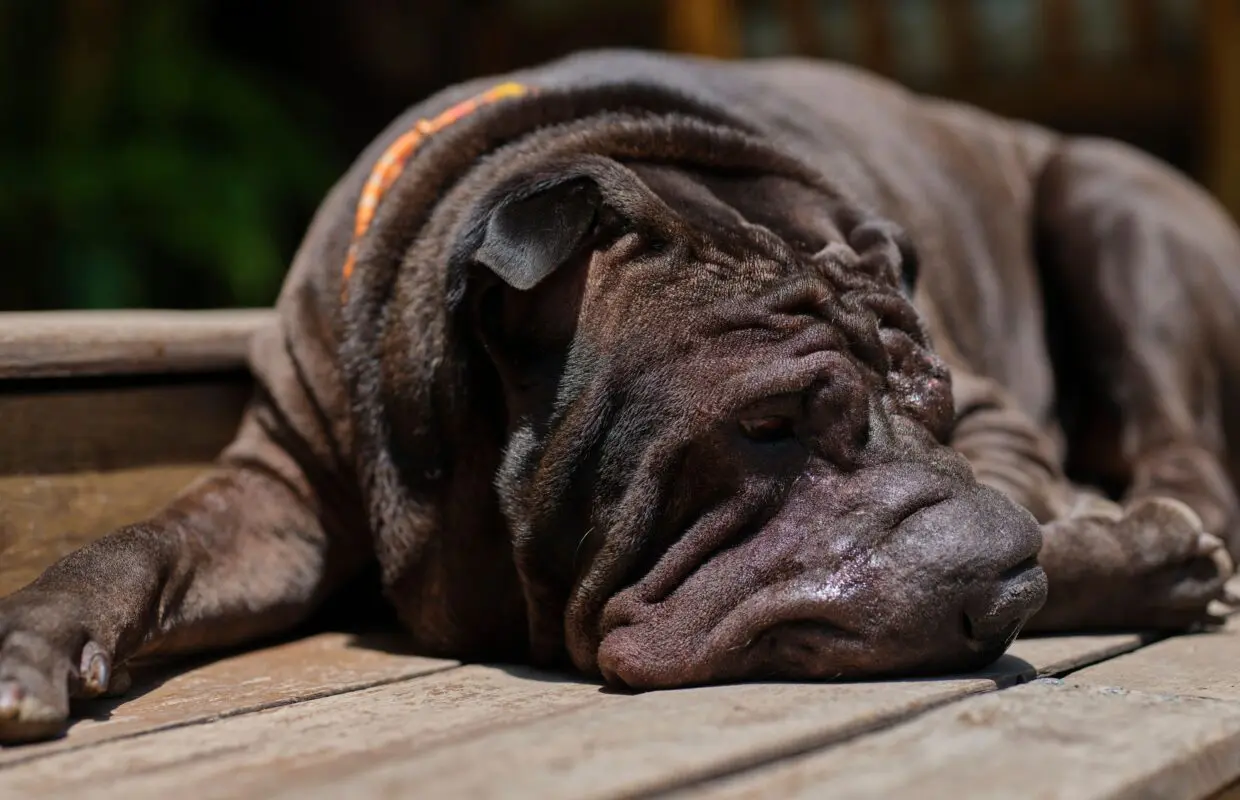
Ringworm in dogs is a fungal infection, not an actual worm, and it can show up in ways that are easy to miss or mistake for something else. It often causes scabs or patchy areas of hair loss, inflamed red skin rash, or scales that look like dandruff. It can look different depending on your dog’s coat length and how far along the infection is. Here’s what ringworm looks like on a dog, how vets diagnose it, and when it’s time to make that call.
What Ringworm Is and How Dogs Catch It
Ringworm is a fungal skin infection that lives in the hair, nails, and outer skin layer. It spreads through contact with an infected animal, contaminated bedding, grooming tools, or shared environments. It’s a common dog skin fungus, and puppies, shelter dogs, and pets with weakened immune systems tend to be most vulnerable.
One thing worth knowing: can humans get ringworm from dogs? Yes. It’s a zoonotic infection, meaning it can pass between animals and people. Good hygiene and prompt treatment help lower that risk. The good news is that ringworm is very treatable, though it takes time and consistent care to fully clear.
Dog Ringworm Symptoms: What to Look For at Different Stages
Knowing the signs can help you catch it early. Symptoms can vary, but here’s what owners most commonly notice:
Early on, you may see scales that look like dandruff or dry, flaky skin. As the infection progresses, lesions on the skin often form a classic circular pattern with a red ring and flaky center. You may also notice dry, brittle hair with hair follicles that appear damaged or broken near the edges of those patches.
Ringworm on the belly is sometimes easier to spot because the hair is thinner there. Around the paws, look for crusting, broken hairs, or note the skin around the claws on your dog, as rough or thickened nail beds can also be a sign.
Some dogs develop many small spots rather than one large circle, and mild itching or no itching at all is possible. The absence of scratching does not rule ringworm out.
How Vets Confirm Ringworm (Not Just Hot Spots or Allergies)
Several skin conditions can look similar, so an accurate diagnosis matters. Our team typically confirms ringworm using one or more of the following:
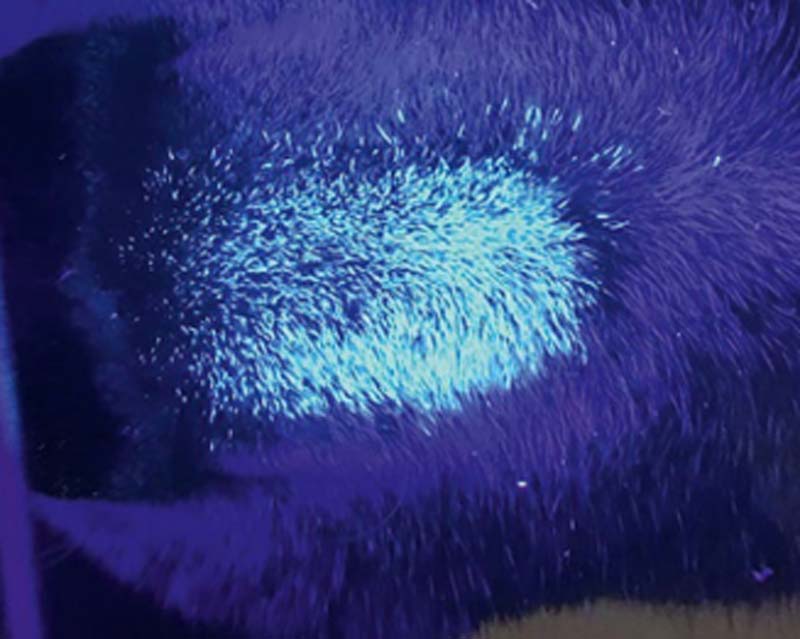
Wood Lamp Test: Some ringworm species glow greenish under a Wood lamp. It’s a helpful first step, but a negative result doesn’t always rule it out since not all strains fluoresce.
Skin Scraping and Fungal Culture: A skin scraping, hair plucks, or fungal culture can identify fungal spores and confirm the infection. These tests help distinguish ringworm from hot spots, mange, or allergies so treatment can be targeted and effective.
Creating the Right Environment During Treatment
Home care plays a big role in recovery. Keep your dog in a clean, dry area with hard floors and washable bedding when possible. Avoid sharing brushes, beds, or blankets between pets until your vet gives the all clear. You may also need to quarantine a dog with ringworm from other household pets during active treatment.
Disinfecting your home means more than a quick wipe down. Use vet-approved cleaning products on surfaces and frequently used areas, run bedding through hot water wash cycles, and vacuum regularly to remove shed hairs and fungal spores. Label your dog’s grooming tools so they don’t accidentally get used on other pets.
How Ringworm Treatment Works for Dogs
Treatment usually combines more than one approach. Your vet hospital team may recommend medicated shampoos and antifungal dips to remove fungal spores from the coat, along with oral antifungal medication for more widespread or stubborn cases.
Treatment length depends on severity, location, and follow-up test results. The advice provided in this post is for general information only. Over-the-counter creams made for people are not a substitute for vet-guided care, and what works for one dog may not be right for another.
Tips to Help Ringworm Clear Faster and Stay Away
Give all treatments exactly as prescribed and don’t stop early just because lesions on the skin appear to be improving. Keep follow-up appointments so your vet can retest and confirm full clearance. Support overall skin health with a balanced diet and routine parasite prevention.
Watch for new scabs or patchy areas of hair loss appearing on your dog, yourself, or other pets. Staying consistent with treatment and cleaning is the most reliable way to shorten recovery time and lower the chance of recurrence.
When to See the Vet for Dog Skin Changes
Reach out to your dog vet if you notice:
- Round, crusty bald spots or a spreading inflamed red skin rash
- Lesions on the skin with dry, brittle hair with hair follicles that look damaged or broken
- Scabs or patchy areas of hair loss or inflamed folds of the skin that aren’t improving
- Someone in your household develops suspicious skin spots after contact with your dog
Any of these signs warrants a prompt call. Early diagnosis of your pet means faster resolution for everyone in the household.
Trust Hershey Veterinary Hospital for Dog Skin and Ringworm Care
At Hershey Veterinary Hospital, our team has experience providing an accurate diagnosis and treatment for dog skin fungus and a wide range of skin concerns in small animals. If your dog is showing signs of hair loss, scales that look like dandruff, or lesions on the skin you can’t explain, we’re here to help.
Worried a Spot Might Be Ringworm? Please Make an Appointment.
Not sure what ringworm looks like on a dog, but noticing hair loss or skin changes? Contact us today. Our team can evaluate your pet condition and recommend the right next steps for your dog’s health and your family’s peace of mind.
About The Author