

When your dog is in pain and starts limping, the instinct to help kicks in fast. Many pet owners reach for aspirin because it’s already in the medicine cabinet and it works for us. The problem is that human medications for dogs can be risky and, in some cases, dangerous. A limp is a symptom, not a diagnosis, and reaching for a pain reliever before knowing the cause can do more harm than good. The team at Hershey Veterinary Hospital can help you find out what’s actually behind the limping and point you toward dog pain relief alternatives that are truly safe for your pet.
Why Aspirin Isn’t a Simple Fix for a Limping Dog
Aspirin is a nonsteroidal anti-inflammatory drug, and while it reduces pain and inflammation in people, it doesn’t work the same way in dogs. Even at low doses, aspirin for dogs can irritate the stomach lining, cause stomach ulcers, and interfere with normal blood clotting. Gastrointestinal bleeding is one of the more serious risks, especially with repeated use.
Aspirin is generally considered too unpredictable for home use because the safe dose range is narrow and depends on your dog’s weight, health, and any other medications they’re taking. Side effects of aspirin in dogs can include vomiting, black or tarry stools, and lethargy. Perhaps most importantly, giving a pain reliever before a vet visit can mask symptoms and make it harder to diagnose what’s wrong. Always seek veterinary care before giving any human medications to your dog.
Limping in Dogs: Signs It’s More Than a Minor Sprain
Not all limps are equal. Here’s what to watch for:
- – A dog limping on a front leg after a jump, fall, or rough play, especially if the leg is held up
- – A dog limping on a back leg with stiffness after rest or trouble rising
- – Refusing to put any weight on a leg, crying out when touched, or suddenly collapsing
- – Visible swelling, heat, or wounds around a joint or paw
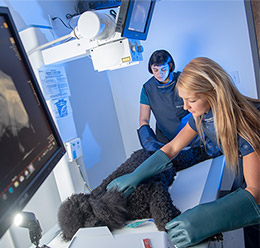
Acute vs. chronic limping in dogs won’t always point to a fracture, but it can signal ligament tears, joint disease, or soft tissue injuries that need proper diagnosis, including x-rays for dog limping to rule out deeper problems. If limping lasts more than 24 hours, gets worse, or is severe from the start, skip any pain medications and schedule an exam.
How Vets Diagnose a Limping Dog
A veterinarian doesn’t guess. They assess. Your vet will perform an orthopedic exam for dogs, feeling along joints and muscles, checking range of motion, and watching how your dog moves to pinpoint exactly where the pain is coming from. From there, x-rays for dog limping can reveal fractures, cruciate tears, arthritis, hip dysplasia, and other structural issues that aren’t visible from the outside. These steps identify the true cause and allow your vet to recommend safe pain control options rather than guessing with aspirin or other human medications at home.
Safe At-Home Care While You Wait for the Vet
If your dog’s limp is mild and a vet appointment is scheduled, there are ways to keep them comfortable without reaching for the medicine cabinet.
- Keep your dog in a quiet, non-slip area with soft bedding and limit stair use
- Avoid off-leash running, jumping on furniture, and unnecessary car rides
- A cold compress for dog injury can be applied in short intervals if your veterinarian recommends it
- Use rest and leash restriction for limping dogs rather than longer walks, since movement can make some injuries worse
- Gather any current prescriptions or supplements to share with your vet, and do not restart old medications without direction
At-home care works best as short-term support until a dog vet in Hershey, PA can examine your dog and recommend the right treatment.
Safer Pain Relief Options Vets May Recommend
Veterinary NSAIDs for dogs, such as carprofen for dogs, are formulated to manage canine pain and inflammation with a much better safety profile than aspirin. These are recommended for dogs because they are dosed and designed with canine physiology in mind. For nerve-related discomfort or chronic conditions, gabapentin for dogs may be prescribed. Dog joint pain in older or large-breed dogs is often managed with a combination of medications, joint supplements, weight management, and controlled exercise. The right dog pain relief alternatives depend on your dog’s specific diagnosis and health history, not just how bad the limp looks or what pain medications are on hand at home.
When to Go to the Vet Right Away
Some situations require immediate veterinary care. Contact your vet or an emergency clinic right away if your dog is suddenly unable to bear weight on a leg, crying out or collapsing. Some dogs who are showing other symptoms like fever, pale gums, or labored breathing alongside the limp will need immediate veterinary attention. Giving aspirin or other human medications in an emergency can delay the treatment your dog actually needs and may worsen the situation.
Trust Hershey Veterinary Hospital for Help with Limping and Pain
At Hershey Veterinary Hospital, our compassionate small animal team has extensive experience diagnosing limps and managing dog joint pain in dogs of all breeds and ages. As an AAHA accredited veterinarian, we start with a thorough orthopedic exam for dogs, use the right diagnostics to find the cause, and build a recovery plan tailored to your pet. If your dog is limping, don’t wait. Call us at 717-534-2244 or schedule an appointment online today.
About The Author