

Cat fleas are tiny, fast-moving parasites that can be surprisingly difficult to spot, especially on fluffy or dark-coated cats. In many cases, owners notice signs of fleas like itching, hair loss, or small pepper-like specks on their cat’s fur long before they ever see a live flea. In this guide, the team at Hershey Veterinary Hospital walks you through exactly how to tell if a cat has fleas, what to look for on indoor cats, and when it’s time to call us for help.
What Fleas Are and How Cats Pick Them Up
Cat fleas are small, blood-sucking parasites that live on pets and in the surrounding environment. Flea infestations can start more easily than most people expect. Cats can pick up fleas from other animals, from the yard, from wildlife passing through, or even from shared spaces like a groomer or boarding facility.
Fleas on indoor cats are more common than many owners realize. Fleas often hitch a ride indoors on clothing, shoes, or other pets. Once inside, flea eggs can quickly establish themselves in carpets, furniture, and bedding, making it difficult to get flea free without treating the whole home. Flea bites cause itching and skin irritation in most cats, and in kittens, a significant flea infestation can even lead to anemia. Cat flea bites on humans are also possible, typically appearing as small, itchy red bumps around the ankles or on exposed skin. Understanding how fleas spread is the first step in effective flea prevention.
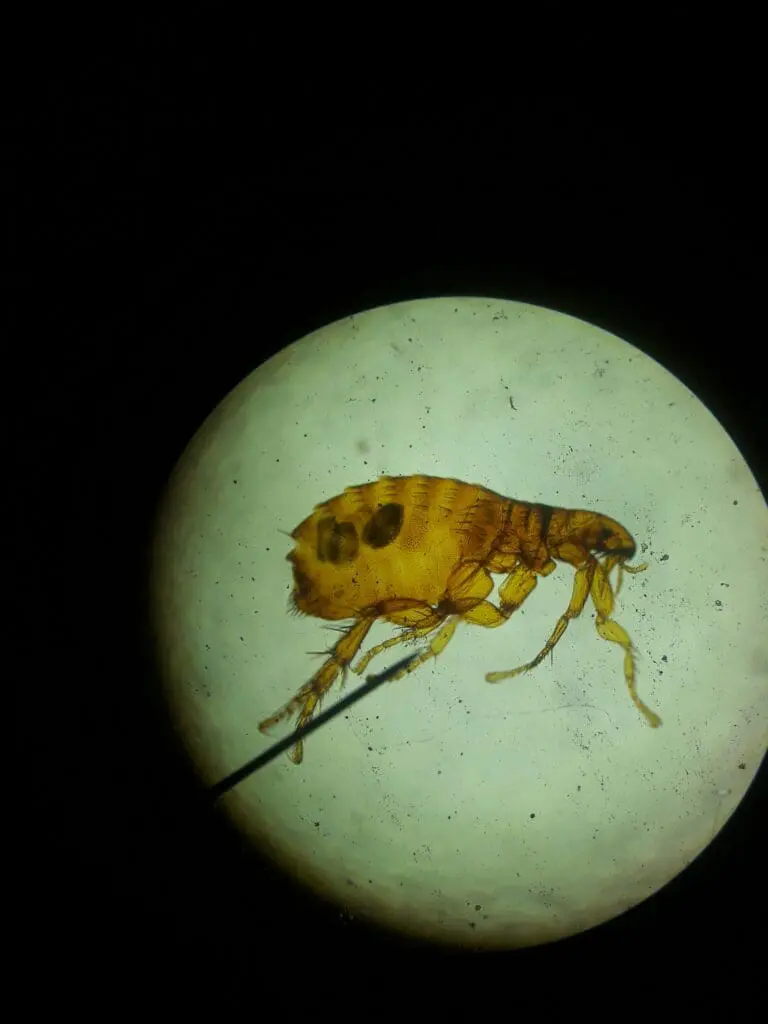
Common Signs Your Cat May Have Fleas
You may not see a single flea, but your cat’s behavior and skin can tell a different story. Here are the most common signs of fleas on cats to watch for:
- Cat scratching a lot, chewing, or licking the same areas repeatedly
- Hair loss in cats along the back, belly, or around the base of the tail
- Red, bumpy, or scabby skin that may indicate cat flea allergy or a reaction to flea saliva
- Black specks on cat fur or on bedding that look like ground pepper, which is often flea dirt on cats
- Restlessness, sudden dashing around the room, or biting at the skin unprovoked
It is also worth knowing that flea allergy dermatitis in cats is a reaction to flea saliva and can cause intense itching from just a handful of flea bites, meaning even a small flea problem can trigger a significant reaction. These signs of fleas do not always mean a heavy infestation, but they do mean it is time to check for fleas more closely. If you are looking for a cat vet, our team at Hershey Veterinary Hospital is experienced in diagnosing and treating flea-related skin conditions in cats of all ages.
How to Check Your Cat for Fleas at Home
If you notice any of the signs above, here are two simple methods to check for fleas at home:
Visual Check and Parting the Fur In a well-lit area, gently part your cat’s fur over the neck, back, and base of the tail. Look for fast-moving dark specks or dark debris clinging to the skin. This is one of the most straightforward approaches when learning how to check a cat for fleas, especially in the areas where the cat spends most of its time resting.
Using a Flea Comb Run a fine-toothed flea comb slowly through your cat’s coat, focusing on the tail and hindquarters where fleas tend to congregate. After each pass, wipe the comb onto a damp white paper towel. If the black specks leave a reddish-brown smear, that is flea dirt on cats, which is flea feces made up of digested blood. This is a reliable way to confirm whether fleas are present and whether you need to eliminate fleas as soon as possible.
Even if you find flea dirt, a vet visit is still important to assess your cat’s skin health and choose the right flea treatment.
Your Home Environment and the Flea Life Cycle
Treating your cat is only part of the solution. Fleas spend a significant portion of their life cycle off the host, including as flea eggs in carpets, rugs, furniture, and bedding. That is why a whole-home approach is essential to truly eliminate fleas and stay flea free.
- Vacuum carpets, rugs, and furniture frequently, including under cushions and along baseboards
- Wash your cat’s bedding, blankets, and soft toys regularly in hot water to remove flea eggs and larvae
- Pay special attention to the spots where the cat spends the most time, including sunny window perches and favorite chairs
- Use only vet-recommended flea prevention products, as many household sprays and foggers are not safe for cats
Understanding the flea life cycle in your home helps reduce flea bites on humans and lowers the chance of re-infestation even after treatment. Flea infestations affecting indoor cats are just as much a home problem as a pet problem.
Safe Flea Treatment Options for Cats
There are several vet-approved options for treating cat fleas, and the right one depends on your cat’s age, health, and lifestyle.
- Topical flea treatment for cats is applied directly to the skin, usually at the back of the neck, and works to kill fleas and provide ongoing protection
- Oral flea meds for cats work from the inside out, helping to kill fleas quickly after they bite
- Cat flea collar options are available, though not all over-the-counter collars are as effective or safe as prescription-grade alternatives
The most important thing to know is that many products safe for dogs are toxic to cats. Never use a flea product on your cat unless it is specifically labeled for cats or recommended by your veterinarian. The best flea treatment is always chosen in partnership with a vet who knows your cat’s full health history. The goal is to rid your home of fleas safely and keep your cat comfortable throughout the process. Our in-house pharmacy carries vet-recommended flea prevention and treatment products so you can get what your cat needs without an extra trip to the store.
Tips to Prevent Future Flea Problems
The most effective strategy is flea prevention rather than reaction. Here is how to stay ahead of future flea infestations:
- Keep cats on year-round flea medicine if your vet recommends it, as fleas are not just a warm-weather problem in Pennsylvania
- Treat all pets in the household at the same time to prevent one animal from reinfecting another and to stop the flea problem from cycling back
- Vacuum frequently and wash all bedding during and after any flea outbreak to address flea eggs before they hatch
- Work with your vet to build a long-term flea prevention plan that fits your household, whether your cat goes outdoors or stays strictly inside
Consistent prevention is far easier, safer, and more comfortable for your cat than fighting repeated flea infestations season after season.
When to Call the Vet About Fleas
Some situations call for professional help right away. Contact Hershey Veterinary Hospital if:
- Your cat is very itchy, losing hair, or has red, crusty, or scabby skin
- You are still seeing live fleas or flea dirt despite using over-the-counter products and want help to eliminate fleas for good
- Your cat seems lethargic, pale, or generally unwell in addition to scratching
- You are unsure which products are safe to use alongside your cat’s other medications or health conditions
Working with a vet for fleas in cats ensures your cat gets relief quickly and that you are not accidentally using a product that could cause harm. This is especially important for kittens, senior cats, and cats with existing health issues. Our team offers cat check ups that include a full skin and coat evaluation so we can catch flea problems early and keep your cat feeling their best.
Trust Hershey Veterinary Hospital for Cat Flea Help
At Hershey Veterinary Hospital, we understand how uncomfortable flea infestations can be for your cat and for your whole household. Whether your cat is dealing with signs of fleas, flea allergy dermatitis, or skin irritation caused by flea saliva, or you simply want to get ahead of the problem with the right flea prevention plan, our team is here to help.
As a compassionate small animal vet in Hershey, PA, we will check your cat’s skin, confirm whether fleas are present, and recommend safe, effective flea treatment and prevention options that fit your cat’s specific needs.
Worried Your Cat Might Have Fleas?
If you are not sure how to tell if your cat has fleas, do not wait for the flea problem to get worse. Schedule an appointment at Hershey Veterinary Hospital or call us at 717-534-2244. Our team can check your cat, confirm whether fleas are present, and recommend safe, effective treatment and prevention tailored to your cat and your home.
About The Author