
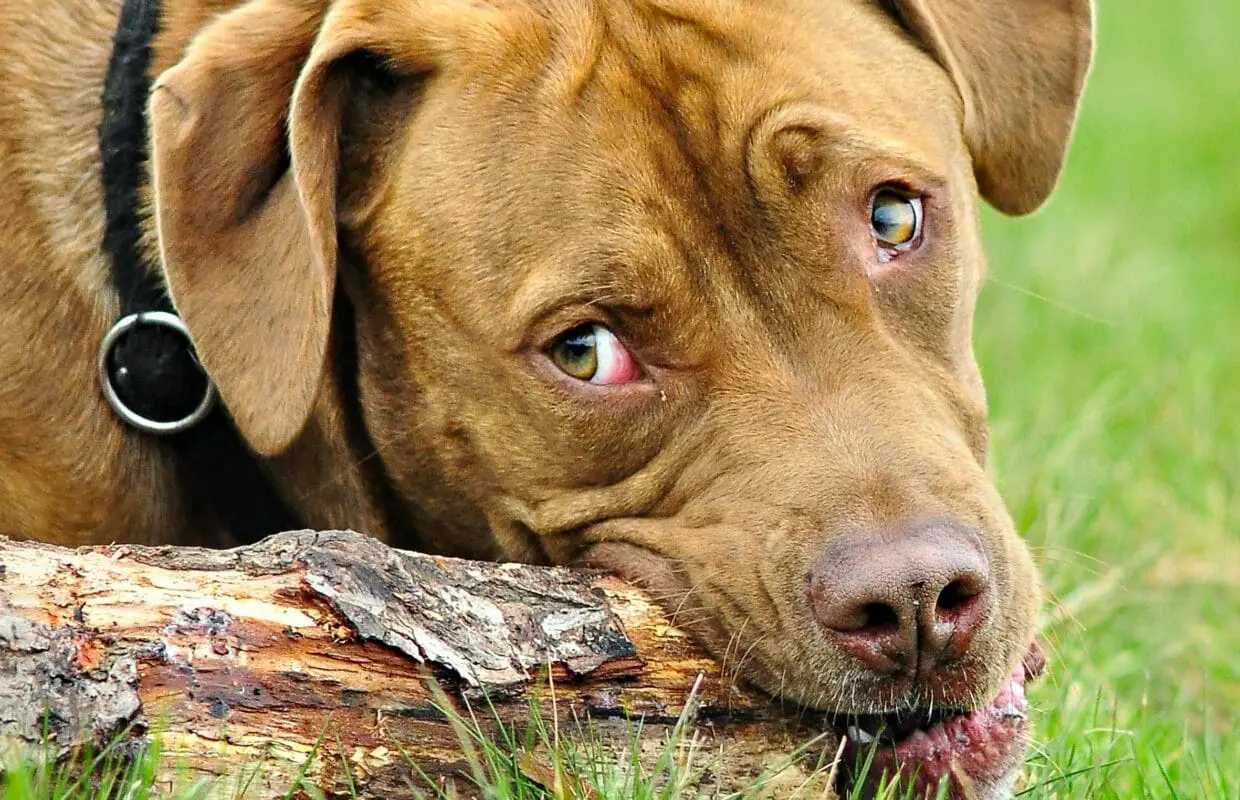
A dog intestinal blockage can shift from mild stomach upset to a life threatening emergency in hours or days. The dog intestinal blockage timeline often moves faster than pet parents expect. What begins as simple vomiting can become severe pain or shock without treatment.
Understanding the dog intestinal blockage timeline helps you act sooner and protect your pet. In this guide you will learn how a dog bowel obstruction timeline unfolds, which warning signs demand attention, and when to call for help in Hershey, PA. This information never replaces urgent veterinary care.
What Is a Dog Intestinal Blockage and Why Timing Matters
A dog intestinal blockage happens when something becomes lodged inside the intestines and prevents food or fluid from moving forward. This is also called a dog foreign body obstruction. The blockage may be partial or complete.
Common causes include socks, underwear, toys, corn cobs, bones, and large pieces of rawhide.
Symptoms of bowel obstruction in dogs often begin with vague dog GI problems. You may see vomiting, low appetite, or mild dog abdominal pain. At first these signs may look like a simple stomach upset, however, as pressure builds inside the intestines, blood flow can decrease. Tissue can become inflamed or damaged and in severe cases parts of the intestine can tear. Waiting too long can turn a treatable dog intestinal blockage into a life threatening crisis.
If you suspect your dog swallowed something unusual, call your veterinarian early. Acting during the first stage of the dog intestinal blockage timeline improves outcomes.
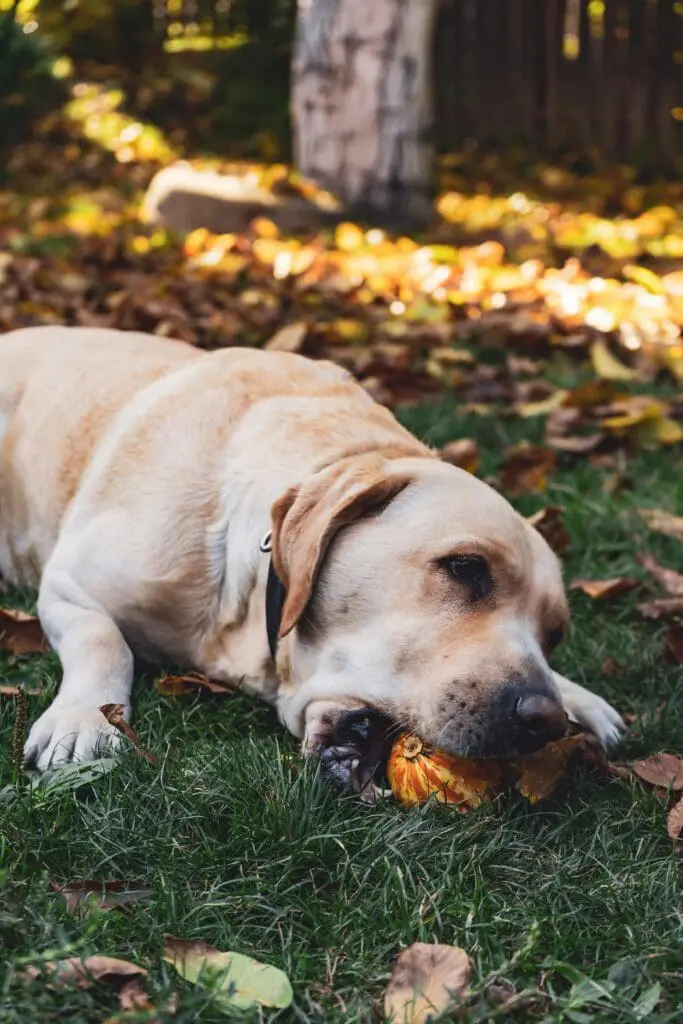
Dog Intestinal Blockage Timeline: Early, Worsening, and Emergency Signs
The dog intestinal blockage timeline often follows a pattern. The speed varies depending on what was swallowed and where it is lodged. A small smooth object may move slowly. A large or sharp object can cause rapid decline.
Early Stage. First 24 Hours
During the first phase you may notice dog vomiting and not eating. Vomit may contain food or yellow bile. Your dog may seem tired or less interested in normal activities.
Mild dog abdomen pain can appear. Your dog may stretch often or look uncomfortable when lying down. These early signs of intestinal blockage in dogs are easy to dismiss as minor stomach upset.
Worsening Stage. 24 to 48 Hours
If the blockage remains, vomiting often becomes more frequent. Your dog may vomit water soon after drinking. Dog not pooping is another warning sign.
Restlessness, whining, or pacing may occur. The belly can feel firm or tense, and how long a dog can have a blockage depends on the object and location. The longer the obstruction continues, the greater the risk of dehydration and shock.
Emergency Stage. Any Time After
Emergency signs can appear suddenly. Collapse, pale gums, bloody vomit, bloody stool, or a swollen abdomen are severe symptoms of bowel obstruction in dogs. These require immediate care.
Do not wait several days hoping signs will resolve. The dog intestinal blockage timeline does not improve without treatment. Delays increase the risk of surgery and complications.
How Vets Check for a Dog Intestinal Blockage
When you arrive at the hospital, your veterinarian begins with a full exam. We gently feel the abdomen to check for pain or abnormal masses. We assess hydration, heart rate, and gum color.
We ask detailed questions. What might your dog have eaten? When did vomiting start? Where are you in the dog intestinal blockage timeline? This history guides next steps.
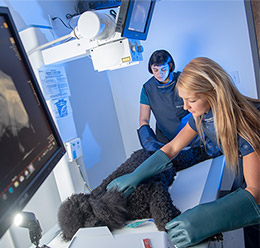
A dog x-ray for blockage is often the first imaging tool used. X-ays can show gas buildup, abnormal intestinal patterns, or visible objects. Some materials do not show clearly on standard images.
In those cases an ultrasound for dog intestinal blockage provides more detail. Ultrasound allows us to see movement within the intestines and identify trapped material. Results are usually available quickly in hospital settings.
These tests confirm whether a dog bowel obstruction timeline is unfolding. They also help us decide between medical management and dog exploratory surgery. Early diagnosis often leads to simpler treatment and shorter recovery.
Treatment Options Along the Timeline
Treatment depends on what we find and how far the dog intestinal blockage timeline has progressed.
In very early cases, if the object is still in the stomach, we may be able to remove it safely. This option is time sensitive. Once the object moves into the intestines surgery is often required.
For confirmed intestinal blockage, dog exploratory surgery is commonly performed. During surgery we locate the obstruction and remove it carefully. We assess the health of the surrounding tissue before closing the incision.
Hospitalization after surgery allows us to provide fluids, pain control, and close monitoring. Intestinal blockage recovery in dogs depends on how quickly treatment began and whether complications developed.
The sooner you act within the dog intestinal blockage timeline, the better the chances of full recovery.
Caring for Your Dog Before and After Blockage Treatment
If you suspect a blockage at home, keep your dog calm and indoors. Monitor vomiting, stool, and comfort closely. Do not offer food, treats, or home remedies without veterinary advice.
Avoid giving human medications. Many over the counter drugs are unsafe for dogs and can worsen dog GI problems. Rough play and long walks should also be avoided.
After treatment, follow discharge instructions carefully. Dog blocked intestine home care may include restricted activity and prescription medications. Use an e collar after surgery to protect the incision.
Ask your veterinarian what to feed the dog after intestinal surgery. Small frequent meals of a bland diet are often recommended at first. Label medications clearly so all family members follow the same plan. Intestinal blockage recovery in dogs improves in quiet and calm home environments.
Using the Dog Intestinal Blockage Timeline to Make Decisions
The dog intestinal blockage timeline is not meant to scare you. It is meant to guide you. Early vomiting and appetite loss should prompt a call to your veterinarian.
If signs worsen or continue beyond 24 hours, schedule a same day visit. Repeated vomiting are not normal. Collapse, severe pain, or sudden bloating mean you must decide when to go to emergency vet care immediately.
Tips to Help Prevent Future Intestinal Blockages
Many blockages happen inside the home. Prevention starts with supervision and safe habits.
Keep trash cans secured. Store socks, underwear, and small toys out of reach. If your dog eats toys, choose sturdy products designed for heavy chewers and replace damaged ones quickly.
Supervise dogs that gulp food or chew bones aggressively. Slow feed bowls can reduce rapid swallowing. Puzzle feeders provide mental stimulation and reduce boredom.
Remember, quick action may prevent surgery. Steps you take now can help prevent intestinal blockage in dogs and reduce future dog GI problems.
When to Call Your Vet or an Emergency Hospital
Call your veterinarian if your dog is vomiting repeatedly or refusing food. Seek care if you suspect a dog foreign body obstruction such as a swallowed toy or bone.
Know when to go to emergency vet services. Collapse, painful abdomen, pale gums, or bloody vomit are urgent signs that should mean you need to contact an emergency vet hospital immediately.
Fast action often means a shorter hospital stay and lower risk of complications. Waiting increases both medical risk and emotional stress for your family.
Trust Hershey Veterinary Hospital for Fast Help with GI Emergencies
At Hershey Veterinary Hospital we treat dog intestinal blockage and other dog GI problems with urgency and compassion. Our experienced team understands how frightening the dog intestinal blockage timeline can feel.
We provide prompt exams, imaging, and pet surgery when needed. We also guide you through intestinal blockage recovery in dogs with clear instructions and support.
If your dog is vomiting or showing dog abdomen pain, call right away. Early evaluation protects your pet’s health and comfort.
Worried About a Dog Intestinal Blockage Timeline?
If you are worried about a dog intestinal blockage timeline, do not wait. Call 717-534-2244 now to speak with our team. We can advise you on next steps or direct you to an emergency vet in Hershey PA services if needed.
Quick action can save your dog’s life.
About The Author