
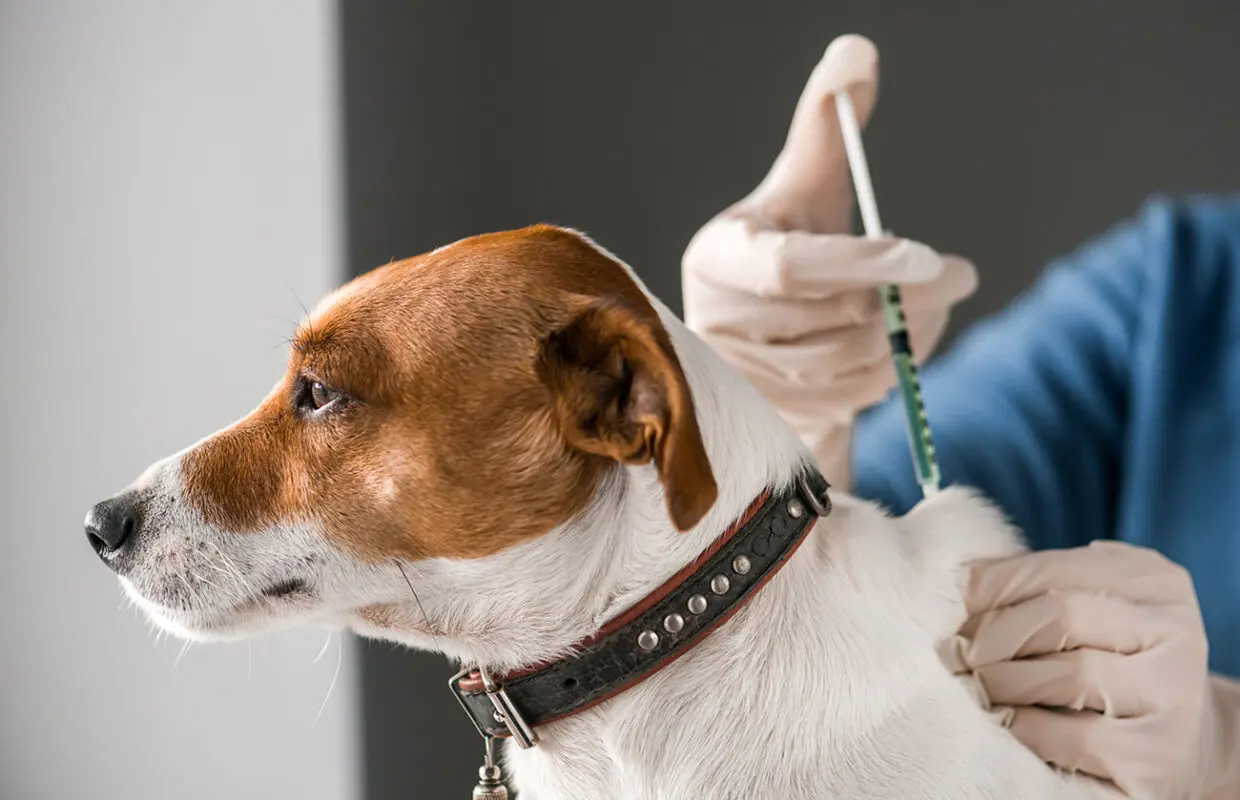
Vaccines are one of the most important ways to protect your dog’s health. They help prevent life-threatening diseases, strengthen immune systems, and keep both pets and people safe. But with so many vaccine options, it’s natural to wonder what vaccines do dogs need and how often.
At Hershey Veterinary Hospital, we tailor each vaccination plan to your dog’s age, health, and lifestyle. Whether your pup loves dog parks or spends most days at home, staying up to date on pet vaccinations ensures lasting protection and peace of mind.
Core Dog Vaccines Every Dog Needs
Some vaccines are considered core because they protect against the most dangerous and contagious diseases. Every dog—no matter their lifestyle—should receive these.
DHPP (Distemper, Hepatitis, Parvovirus, Parainfluenza)
This combination vaccine protects against several serious viruses in one injection:
- Distemper (D): A life-threatening viral disease that affects the respiratory and nervous systems.
- Hepatitis (H): Caused by canine adenovirus, leading to fever, liver failure, and sometimes death.
- Parvovirus (P): Highly contagious and often fatal in puppies, parvo causes vomiting, diarrhea, and dehydration.
- Parainfluenza (P): A respiratory virus often associated with kennel cough.
At Hershey Vet, we offer both DHPP and DHPP + L4, which includes additional protection against Leptospirosis—a bacterial infection that can harm the liver and kidneys. The DHPP vaccine requires three initial doses spaced three to four weeks apart, then yearly boosters. The DHPP+L4 vaccine requires two initial doses spaced three to four weeks apart, then yearly boosters.
Rabies Vaccine
Rabies is a fatal viral disease that attacks the nervous system and can spread to humans. The Rabies vaccine is required by law throughout Pennsylvania and most of the U.S. Puppies usually receive it around 12–16 weeks of age, followed by a booster a year later, and then every one to three years depending on local laws.
Rabies vaccination protects not only your pet but also your family and community. Boarding facilities, groomers, and travel certificates all require proof of current rabies immunization.

Lifestyle (Non-Core) Vaccines
In addition to the essential core shots, some vaccines are recommended depending on your dog’s lifestyle, exposure risk, and where you live.
Bordetella (Kennel Cough)
Bordetella bronchiseptica is a leading cause of kennel cough, a contagious respiratory infection that spreads through coughing or shared air. Dogs who visit boarding facilities, dog parks, or grooming salons benefit from this vaccine. Some facilities require proof every six to twelve months.
At Hershey Veterinary Hospital, we offer Bordetella vaccines in a nasal form —making it easy to keep your dog protected before their next playdate.
The Bordetella vaccine requires two initial doses spaced three to four weeks apart, then yearly boosters.
Canine Influenza
Canine influenza, or dog flu, spreads quickly in social settings. Coughing, nasal discharge, and low-grade fever are common symptoms. Dogs who travel, board, or frequent dog parks should receive this vaccine, which helps reduce illness severity and transmission. The Influenza vaccine requires two initial doses spaced three to four weeks apart, then yearly boosters.
Lyme Disease
Lyme disease is caused by Borrelia burgdorferi, a bacterium transmitted through tick bites. It can lead to fever, joint swelling, and even kidney complications. In the Northeast—including Pennsylvania—Lyme disease is common, making vaccination a smart choice.
The Lyme vaccine requires two initial doses spaced three to four weeks apart, then yearly boosters. It works best when paired with tick prevention measures.
Leptospirosis (Included in DHPP + L4)
Leptospirosis is a bacterial infection spread through water contaminated by wildlife urine. It can affect dogs and humans alike. Symptoms include fever, vomiting, and organ damage. Dogs who swim, hike, or spend time outdoors should receive this vaccine annually. The Leptospirosis vaccine requires two initial doses spaced three to four weeks apart, then yearly boosters.

How Often Should Dogs Be Vaccinated?
Vaccination frequency depends on your dog’s age, previous immunizations, and overall health.
- Puppies (6–16 weeks):
- 8 weeks – DHPP+L4 #1
- 12 weeks – DHPP+L4 #2, Lyme #1, Bordetella #1
- 16 weeks – DHPP #3, Lyme #2, Bordetella #2, Rabies
- Adult Dogs: Core vaccines every one to three years; lifestyle vaccines annually or as needed.
- Senior Dogs: Your veterinarian may adjust the schedule to balance immunity with comfort and safety.
If your dog’s vaccination history is unknown, we can restart their series to ensure complete protection.
Possible Side Effects of Dog Vaccines
Most dogs tolerate vaccines very well. Mild side effects—like temporary fatigue, slight swelling at the injection site, or low-grade fever—are common and short-lived.
Severe reactions are rare but can include facial swelling, vomiting, or difficulty breathing. These are medical emergencies—contact us immediately if you notice concerning symptoms.
While no medical procedure is entirely risk-free, the benefits of vaccination far outweigh the risks. Vaccines prevent life-threatening illnesses that are difficult and costly to treat.
Why Vaccinating Your Dog Matters
Vaccines protect more than just your pet. They create a barrier against disease in the broader community—especially for puppies, senior dogs, or those with weaker immune systems.
Keeping vaccines current:
- Prevents outbreaks of contagious diseases
- Keeps your pet compliant with local laws
- Ensures safe access to boarding, grooming, and travel
- Reduces veterinary emergencies
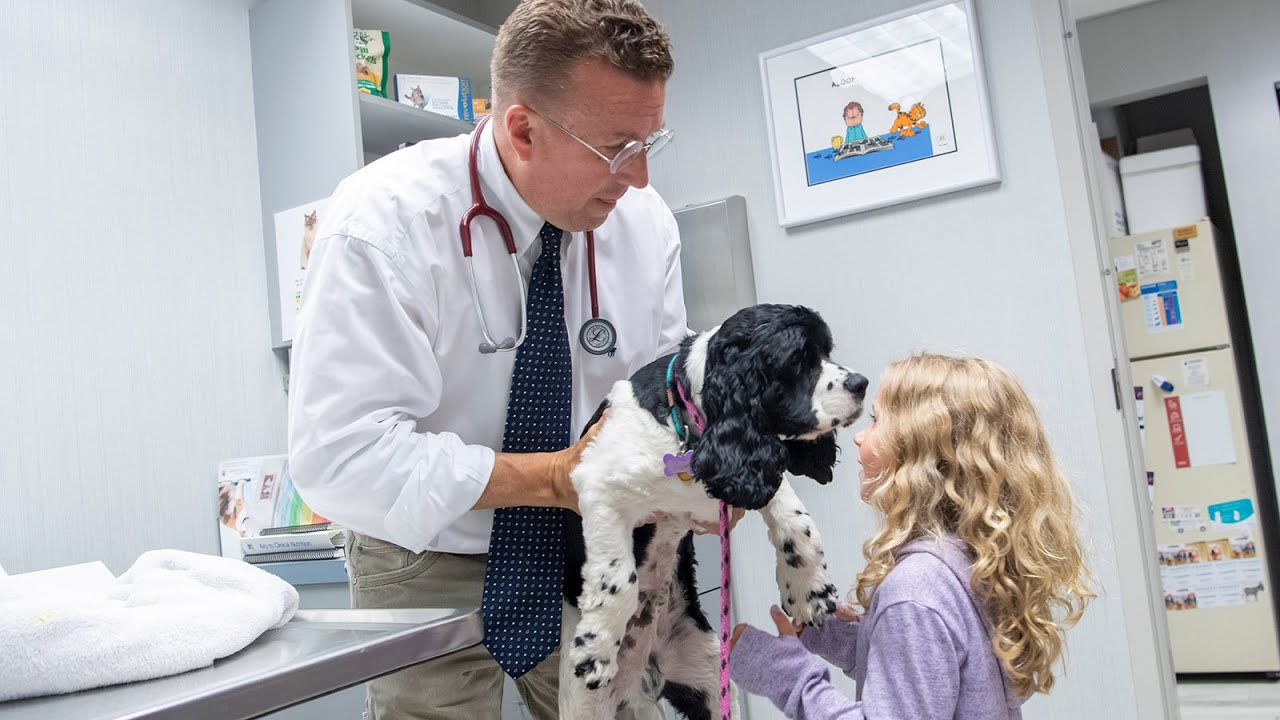
Hershey Veterinary Hospital’s Vaccine Services
At Hershey Veterinary Hospital, we offer a full range of vaccines for dogs of all ages and lifestyles:
- DHPP (Distemper, Hepatitis, Parvovirus, Parainfluenza)
- DHPP + L4 (includes Leptospirosis)
- Lyme Disease
- Bordetella (Kennel Cough)
- Canine Influenza
- Rabies
Our veterinarians will review your dog’s routine, environment, and health history to create a vaccination plan that fits their needs.
Whether you’re bringing home a new puppy or updating an adult dog’s vaccines, our team ensures safe administration, proper documentation, and gentle handling at every visit.
Protect Your Dog’s Health Today
Vaccinating your dog is a simple, effective way to ensure a long, healthy life. From preventing deadly diseases to meeting boarding requirements, vaccines are an essential part of responsible pet ownership.
If you’re unsure which vaccines your dog needs, our team can help. We’ll discuss your dog’s routine, environment, and any concerns about side effects or timing.
Request an appointment today to discuss pet vaccinations at Hershey Veterinary Hospital—where your dog’s health always comes first.
About The Author